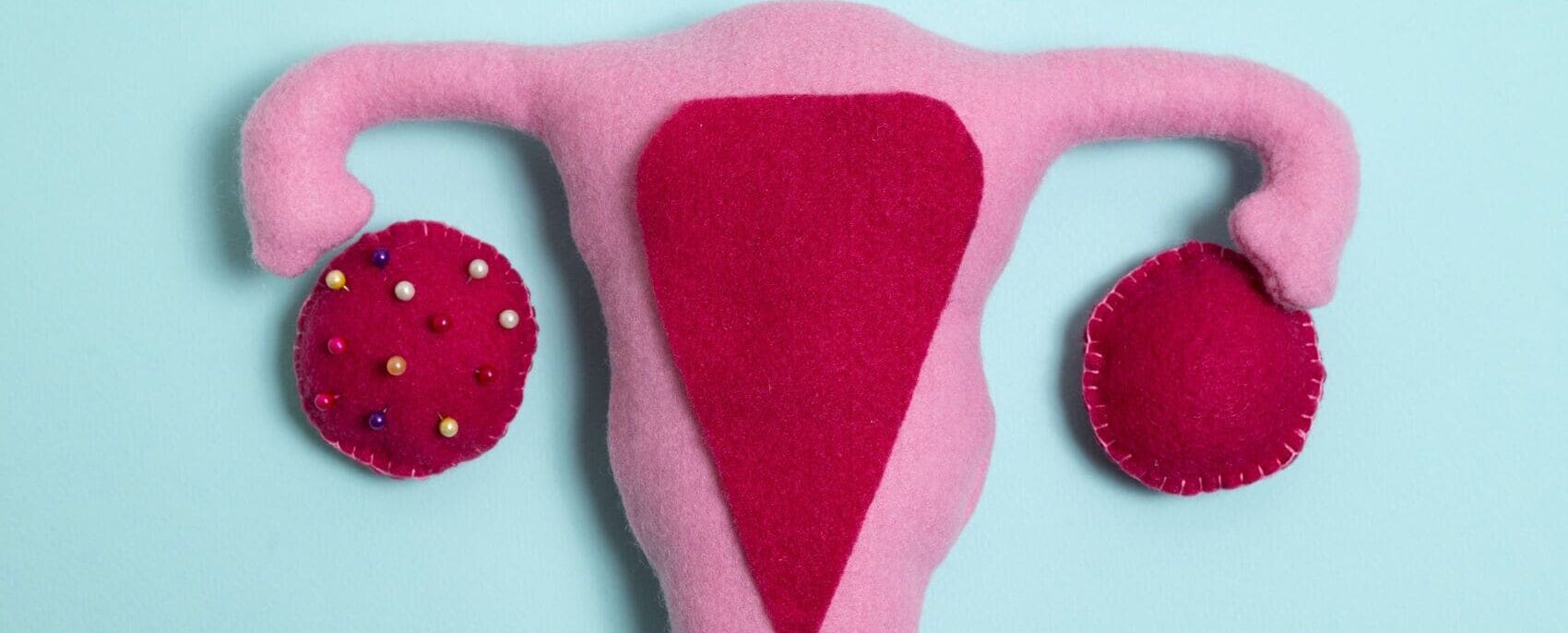

The miracle of freezing time: Preserving your dreams of being a father or mother

What is egg freezing and what is it for?
Egg freezing is an assisted reproduction technique that helps you pause your biological clock. Your mature oocytes are retrieved and vitrified in liquid nitrogen at –196 °C, where they can be stored for up to 27 years. Avoid self-medicating without consulting a doctor, as each ovarian stimulation protocol is adjusted to your age, ovarian reserve, and health status.

How to know if egg freezing is right for you?
If you want to postpone motherhood without losing options, this technique is your ally. The first step is to see a specialist in Assisted Reproduction. With an anti-Müllerian hormone (AMH) test and an antral follicle count (AFC) via ultrasound, you’ll assess your ovarian reserve and confirm if it’s the ideal time.
What medical reasons drive egg freezing?
Besides personal reasons, there are medical situations that make this decision advisable:
- Chemotherapy or radiotherapy that damages ovarian reserve.
- Gender transition.
- Autoimmune diseases or gynecological oncology surgeries.
In these cases, vitrifying your oocytes opens a door of hope for your family plans.
Do you need a partner to freeze your eggs?
No. Unlike embryos, only your oocytes are stored here. If in the future you decide to fertilize them and don’t have a partner, you can use certified donor sperm from a sperm bank.
Egg freezing process step by step
- Ovarian stimulation with hormones (FSH and LH) in personalized doses (e.g., 150–300 IU/day).
- Ultrasound monitoring and estradiol (E2) measurement in pg/mL.
- Retrieval of mature oocytes via follicular puncture under sedation.
- Vitrification of each oocyte with cryoprotectant to prevent ice crystals.
- Storage in liquid nitrogen tanks (<–196 °C).
With Ingenes, your oocytes are protected by a unique chain-of-custody system.

Alternatives and next steps
In addition to egg freezing, you can consider:
- Embryo vitrification.
- Ovarian tissue preservation.
We recommend reading “Egg freezing: a strategic decision for your family’s future” to learn how these options fit your life plan. At Ingenes we provide guidance at every stage: freezing eggs means gaining time with warmth and security.
Frequently Asked Questions (FAQ)
1. Does egg freezing guarantee a future pregnancy?
Success rates vary based on your age at vitrification and oocyte quality. Women under 35 have over 90 % survival after thawing and 50–60 % pregnancy rates per cycle. However, factors like embryo implantation and endometrial receptivity also play a role. That’s why it’s essential to see an Assisted Reproduction specialist.
2. What risks does ovarian stimulation carry?
The main risk is ovarian hyperstimulation syndrome (OHSS), with abdominal pain, bloating and, in severe cases, pleural effusion or ascites (< 2 % with modern protocols). Other effects include breast tenderness, mood changes, and mild discomfort during retrieval. At Ingenes we monitor you closely to ensure your well-being.
3. How long can eggs be stored?
Vitrification keeps them viable for decades. There are cases of pregnancies after 27 years of storage. Legally, the limit depends on the country: in Mexico it’s up to 10 years, renewable with your consent.
4. Can I change my motherhood plans?
Yes. You can use your oocytes with partner or donor sperm in IVF cycles whenever you choose. Also, if the law allows, you can transfer embryos to a gestational carrier. At Ingenes we support you with legal and psychological counseling every step of the way.
Sources Consulted
- Practice Committee of the American Society for Reproductive Medicine. (2020). Mature oocyte cryopreservation: a guideline. Fertility and Sterility, 114(4), 767–781. https://doi.org/10.1016/j.fertnstert.2020.06.025
- American College of Obstetricians and Gynecologists. (2018). Committee Opinion No. 745: Patient education and informed consent. Obstetrics & Gynecology, 131, e196–e205. https://doi.org/10.1097/AOG.0000000000002586
- MedlinePlus. (2023). Egg freezing. Retrieved from https://medlineplus.gov/eggsfreezing.html
- European Society of Human Reproduction and Embryology. (2022). ESHRE Guideline: Oocyte preservation. Human Reproduction Open, 2022(1), hoac004. https://doi.org/10.1093/hropen/hoac004
We accompany you on your journey to motherhood and fatherhood. Don’t hesitate to seek the support of a fertility specialist to answer your questions and design a personalized plan. We’re with you!