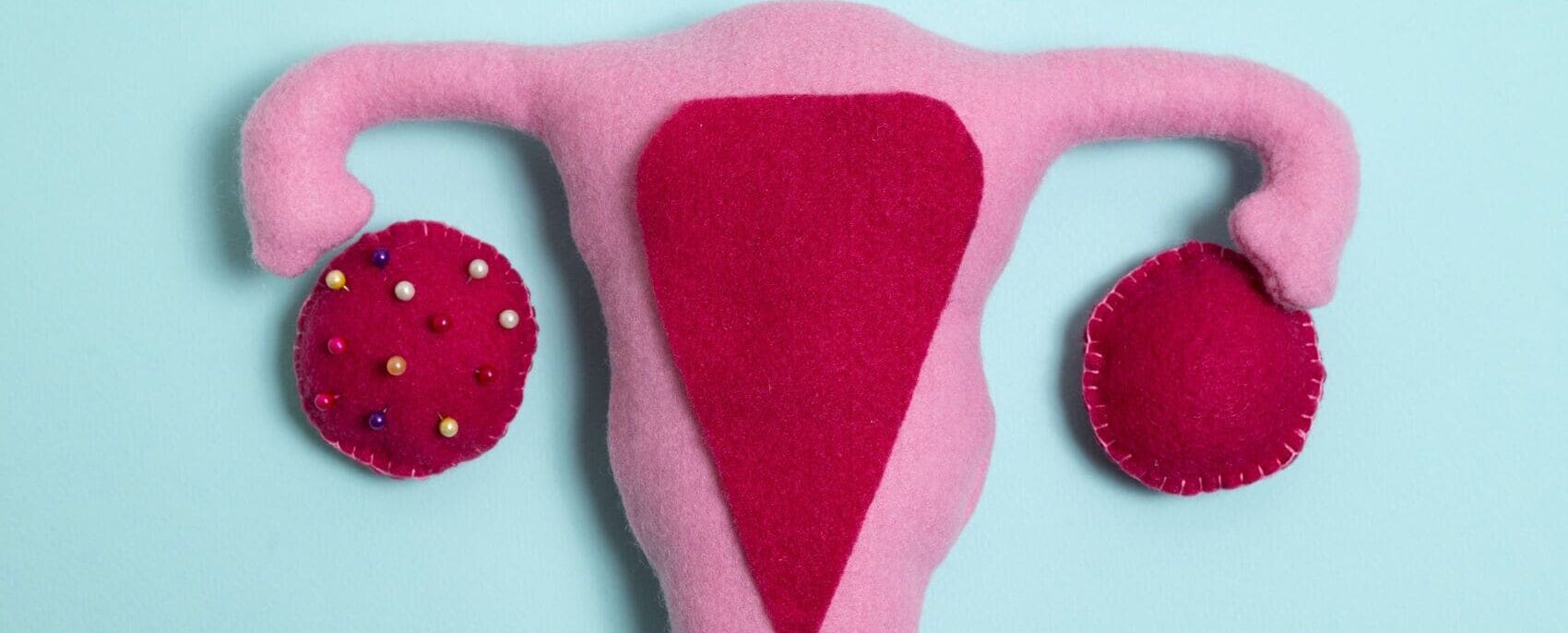

Sexual and Reproductive Education: The Foundation for a Better Future
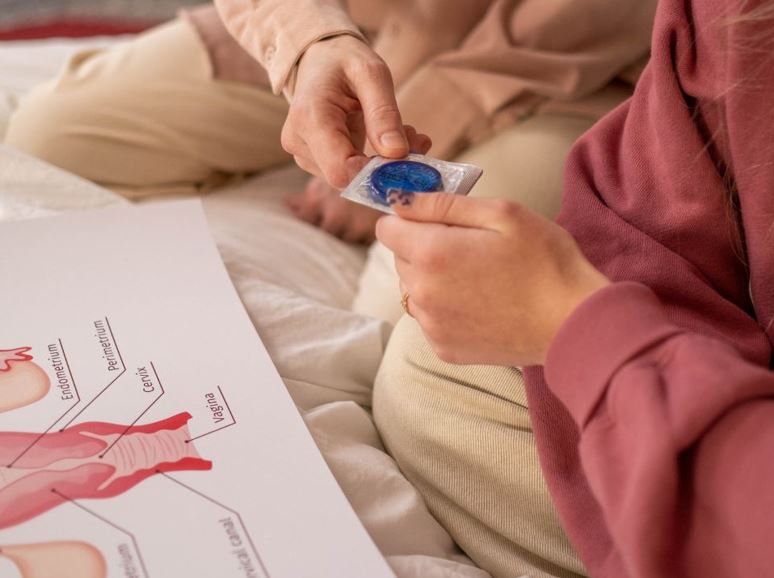
Sexual and reproductive education matters to everyone. From adolescence to adulthood, understanding our bodies and health is key. Without proper information, myths arise that can affect our lives. At Ingenes, we believe knowledge gives you the power to live healthier and with hope.
What is sexual and reproductive education and why is it important?
It’s clear, evidence-based information on anatomy, the menstrual cycle, consent, contraceptive methods (pills with 0.03 mg ethinylestradiol), and STI prevention. We talk about respect and informed decisions to reduce unintended pregnancies and diseases.
How does sexual education reduce health risks?
It teaches safe practices, like using a condom correctly (0.05 mm latex) and when to see a doctor. Informed people have 50% fewer unintended pregnancies and lower rates of chlamydia and gonorrhea. Do not self-medicate: always seek reliable sources.
What does Ingenes do in reproductive health?
We focus on fertility within a holistic approach. We offer workshops, webinars, and counseling on menstrual health, hormonal balance (estrogen levels in pg/mL), and fertility. Learn more at World Sexual Health Day.
How do we debunk myths and taboos?
We dispel ideas like “you can’t get pregnant during your period” or “IVF fails after 40” using studies and expert consensus. We create a shame-free space for you to ask questions and clear doubts.
Why does understanding your fertility matter?
It’s not just for those who want to conceive. Signals like a 0.3 °C rise in basal temperature or cervical mucus help you plan or address conditions like PCOS. Before taking any medication, consult a reproductive specialist.

Tools to improve your reproductive health
Use tracking apps (28 ± 2 day cycles), symptom diaries, and regular check-ups. Read also Let’s talk about reproductive health for habits that boost your fertility.
Where are we headed?
We incorporate findings on endocrine disruptors (ng/kg body weight) and update resources with your voice. We aim for a community of trust and empathy.
Knowledge is power. At Ingenes, we accompany you every step of the way.
Frequently Asked Questions
1. At what age should it start?
From ages 9–10 with information about the body and respect. Over time, topics like consent and contraception are addressed. This lays a solid foundation for decisions in adolescence and adulthood.
2. Does it impact mental health?
Yes. Comprehensive programs work on self-esteem, boundaries, and emotions. Well-informed adolescents show less anxiety and depression related to sexuality.
3. What to do with irregular cycles?
Record duration, flow, and symptoms. Cycles under 21 days or over 35 may indicate PCOS or thyroid issues. Consult a specialist: they will analyze progesterone (ng/mL) and perform ultrasounds for a personalized plan.
4. Are fertility apps reliable?
They help recognize patterns but do not guarantee contraception. Combine them with physical signs and medical guidance for better results.
Sources Consulted
- CDC. Sexual and Reproductive Health. 2022. https://www.cdc.gov/reproductivehealth/index.html
- MedlinePlus. Menstrual Cycle. 2023. https://medlineplus.gov/menstrualcycle.html
- WHO. Sexual and reproductive health and research. 2021. https://www.who.int/teams/sexual-and-reproductive-health-and-research
- ACOG. FAQ: Menstrual Cycle. 2020. https://doi.org/10.1097/AOG.0000000000004066
We are with you on this journey. If you are trying to conceive or have questions, consult a fertility specialist for the best guidance and support.