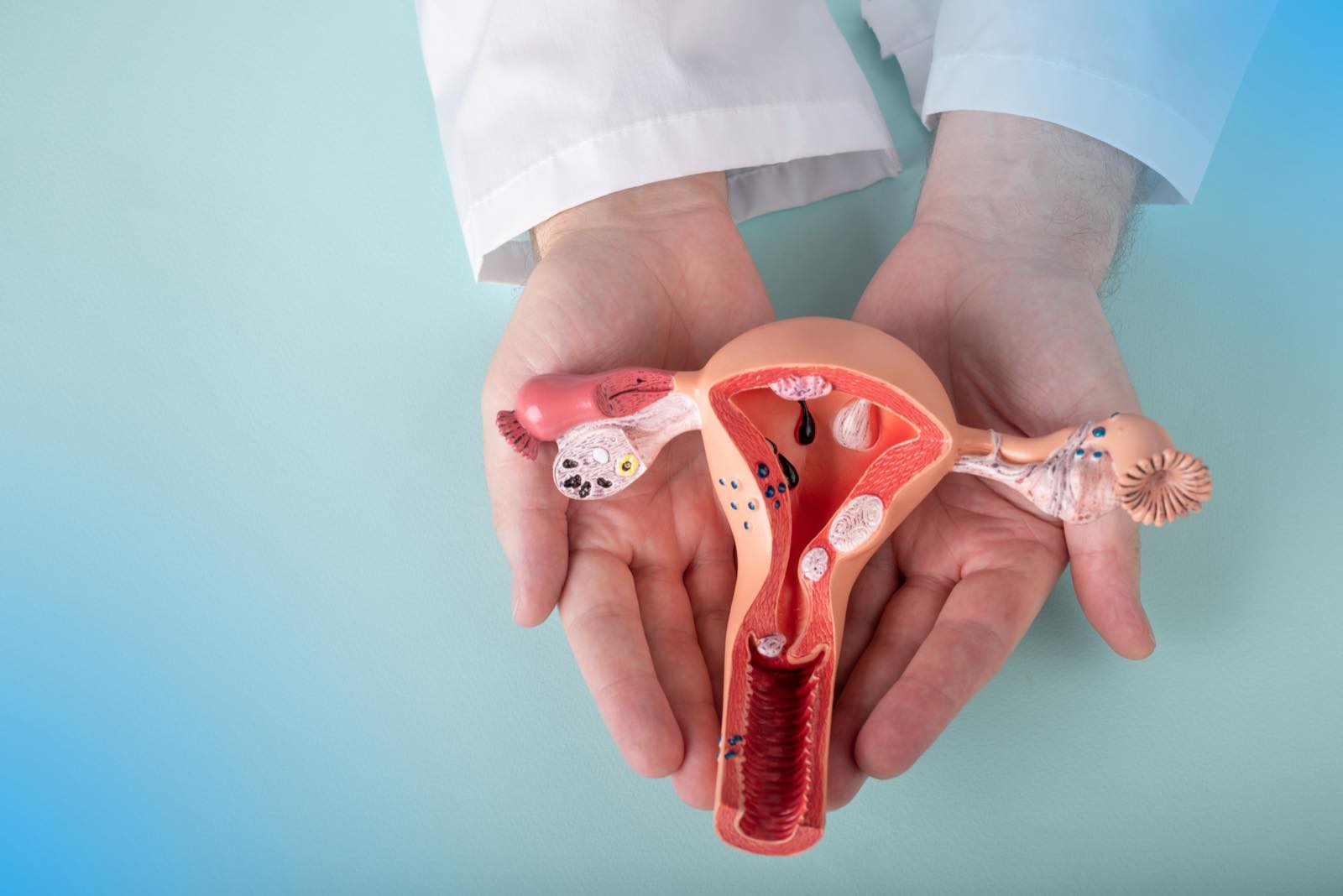

Polycystic Ovary Syndrome according to the age of the woman
Polycystic Ovary Syndrome (PCOS, now PMOS) accompanies many women beyond their fertile years and often has a familial basis. Here we explain its symptoms and how it manifests at each stage of life.
At what age can PCOS be detected in girls?
Before age 11 and without having had their first period, a PCOS diagnosis is uncommon. From age 11 onward, a specialist can assess early signs, although before menarche there aren’t always menstrual irregularities.
PCOS symptoms during adolescence
During adolescence, PCOS signs can be mistaken for normal puberty changes. Watch for:
- Irregular cycles: amenorrhea or oligomenorrhea
- Acne or skin blemishes
- Excess hair growth or hair loss
- Muscle development with smaller breasts
- Precocious puberty before ages 8–9
PCOS in early adulthood
Between ages 20 and 30, PCOS is the most common endocrine disorder and can hinder conception. A healthy diet, regular exercise, and maintaining an appropriate weight help balance hormones and support ovulation.
PCOS and menopause
Although large studies are lacking, women with long-term PCOS have a higher risk of cardiovascular disease and type 2 diabetes due to elevated testosterone levels and insulin resistance.
Can you conceive with PCOS?
Consult your gynecologist and fertility specialist to design a personalized assisted reproduction plan. Options include:
Ovulation induction and timed intercourse
Using Clomiphene (Omnifin or others) to stimulate ovulation while avoiding hyperstimulation through monitoring. Combined with Timed Intercourse, intercourse is synchronized with ovulation. Ideal if you’re under 35 with no other factors.
When to recommend in vitro fertilization?
If induction is unsuccessful, your specialist may suggest up to 4 IVF cycles. Eggs are retrieved, fertilized in the lab, and the best embryos are transferred. Success rates depend on age, egg quality, and embryo selection.
At Ingenes, with our Initial Program you’ll receive a complete fertility assessment and a personalized treatment plan. Start planning your life with your baby today.
Read “My Pregnancy with Polycystic Ovary at Age 36” and discover success stories. To learn more about PCOS visit “PCOS: What You Should Know to Have Your Baby”.
Frequently asked questions
PCOS diagnosis in adolescents
Clinical evaluation, ultrasound, and hormonal tests (LH, FSH, testosterone, insulin) are combined. Ultrasound can show multiple small follicles (2–9 mm) in the ovary. Early diagnosis allows lifestyle adjustments to reduce insulin resistance and regulate menstruation.
What lifestyle changes help?
A balanced diet low in simple sugars and high in fiber controls insulin. Aerobic exercise (30 min, 5 times/week) supports weight management and reduces androgens. Stress management techniques like yoga or meditation improve hormonal balance. Always consult your doctor before taking supplements or starting restrictive diets.
Can women over 35 with PCOS conceive naturally?
Ovarian reserve declines with age, but natural conception is possible if cycles are regular and lifestyle is healthy. Weight loss in overweight women can restore ovulation. If irregularity persists after 6–12 months of trying, seek expert help to increase your chances.
Long-term risks of PCOS
PCOS increases the risk of type 2 diabetes, cardiovascular diseases, and endometrial cancer due to chronic anovulation and hyperinsulinemia. Regular checks of glucose tolerance, lipid profile, and blood pressure are key. Hormonal treatments and metformin can reduce these risks.
Sources
- American College of Obstetricians and Gynecologists. (2021). Practice Bulletin No. 194: Polycystic Ovary Syndrome. Obstetrics & Gynecology, 137(2), e1–e19. https://doi.org/10.1097/AOG.0000000000004255
- MedlinePlus. (2023). Polycystic Ovary Syndrome. U.S. National Library of Medicine. https://medlineplus.gov/pcos.html
- Fauser, B. C., Tarlatzis, B. C., Rebar, R. W., Legro, R. S., Balen, A. H., Lobo, R., et al. (2012). Consensus on Women’s Health Aspects of Polycystic Ovary Syndrome (PCOS). Fertility and Sterility, 97(1), 28–38. https://doi.org/10.1016/j.fertnstert.2011.09.024
- Legro, R. S., Arslanian, S. A., Ehrmann, D. A., Hoeger, K. M., Murad, M. H., Pasquali, R., et al. (2013). Diagnosis and Treatment of Polycystic Ovary Syndrome: An Endocrine Society Guideline. The Journal of Clinical Endocrinology & Metabolism, 98(12), 4565–4592. https://doi.org/10.1210/jc.2013-2350
Remember: every body is different. Stay informed, take care of your health, and seek the guidance of an assisted reproduction specialist to turn your desire to become a parent into reality.