
Mediterranean Diet and Fertility: A Path to Success in In Vitro Fertilization
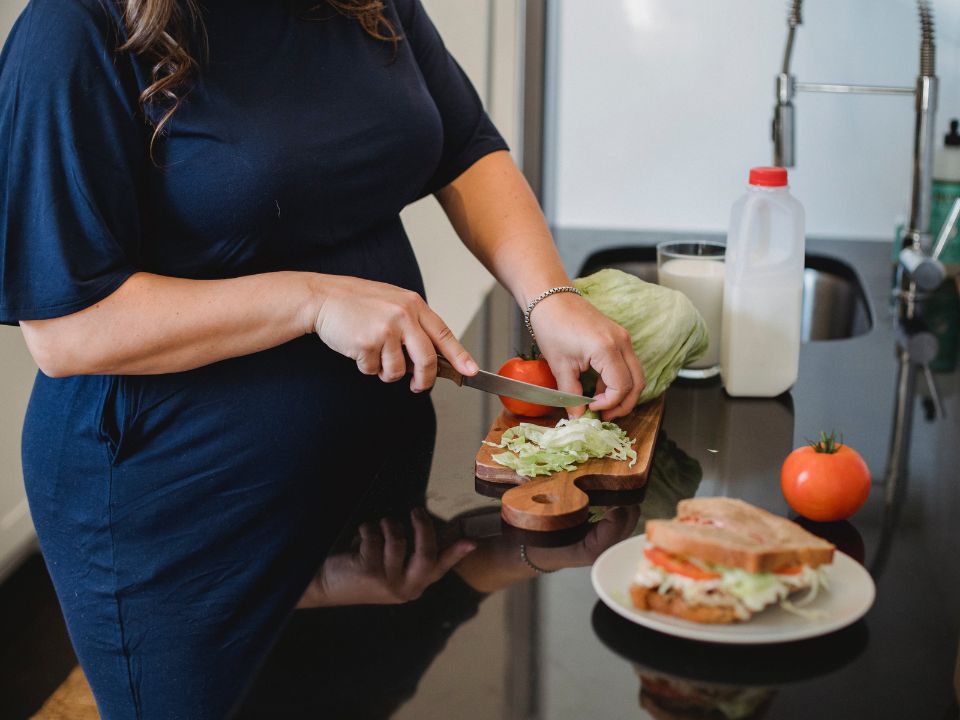
The Mediterranean diet is famous for its health benefits and now also for its role in fertility. If you’re starting an in vitro fertilization (IVF) treatment, take note! A diet rich in fruits, vegetables, legumes, fish, and olive oil provides key nutrients that can increase your chances of success.
What is the mediterranean diet and why does it matter in IVF?
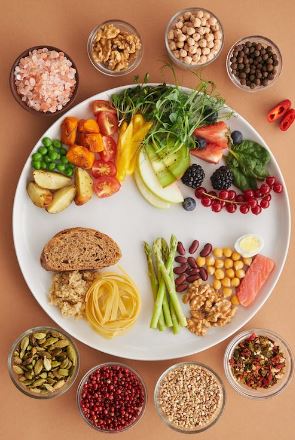
It’s based on fresh, natural foods: fruits, vegetables, whole grains, legumes, nuts, fish, and extra virgin olive oil. It includes dairy and lean meats in moderate portions and limits sugars and saturated fats. This way, you get antioxidants, omega-3 fatty acids, fiber, and micronutrients that improve egg quality, embryo development, and endometrial health.
How does it improve egg and embryo quality?
Studies show the Mediterranean diet:
- Reduces oxidative stress with antioxidants (vitamins C and E).
- Supports mitochondrial function with omega-3 fatty acids (EPA and DHA).
- Promotes healthy cell division thanks to folate.
Key nutrients for fertility
- Antioxidants: vitamins C (ascorbic acid) and E (tocopherol).
- Omega-3: 1–2 g/day from fish or flaxseed.
- Folate: 400 µg/day from leafy greens and legumes.
- Monounsaturated fats: 20–40 mL/day of extra virgin olive oil.
Incorporate the mediterranean diet today
Choose seasonal produce, use 30–40 mL of extra virgin olive oil daily, and eat fish (salmon, sardines) 2–3 times a week (150 g per serving). Swap refined grains for whole grains, quinoa, farro, or whole wheat bread, snack on a handful (30 g) of nuts or seeds, and add 100 g of cooked legumes.

A healthy, sustainable lifestyle
Besides improving fertility, this diet protects your heart, regulates blood sugar, and reduces the risk of certain cancers. Prioritize plant-based foods, minimize processed items, and practice mindful eating.
How Ingenes supports your nutrition
At Ingenes we understand that nutrition is crucial in IVF. Our team guides you with personalized plans, integrating dietary counseling and advanced reproductive techniques. Discover the secret to successful IVF.
The importance of balanced nutrition
A well-balanced meal plan ensures essential macro and micronutrients for healthy eggs, quality embryos, and a receptive endometrium. More details at “The Importance of Nutrition in Fertility Treatment”.
Practical tips for your reproductive health
- Fruits and vegetables: 5 servings daily.
- Lean proteins: 1.2–1.5 g/kg body weight (fish, poultry, legumes).
- Healthy fats: 20–35% of daily calories.
- Hydration: 2–2.5 L of water per day.

Frequently Asked Questions
1. How long until I see changes?
Following the diet for 3–6 months before IVF improves oocyte and embryo quality. Antioxidant levels rise in weeks, while lipid profiles and inflammatory markers stabilize over months.
Consistency and gradual changes are key to regulating hormones, maintaining stable cycles, and optimizing endometrial receptivity.
2. What if I have dietary restrictions?
The Mediterranean diet is flexible. If you’re vegan or vegetarian, increase legumes (100–150 g cooked) and nuts (30 g). For omega-3, use chia seeds or algae supplements. If lactose intolerant, choose fortified plant-based milks. Always consult your specialist or a dietitian.
3. What should I avoid in IVF?
Limit red meat to under 300 g/week and avoid processed foods. Reduce sweets, refined grains, caffeine (≤200 mg/day), and alcohol. Opt for whole, colorful foods.
4. Why does olive oil help implantation?
Extra virgin olive oil provides oleic acid and polyphenols that improve blood flow and reduce endometrial inflammation. With 20–40 mL daily, you promote a thicker, healthier uterine lining.
Sources Consulted
- Martínez-González, M. A., & Estruch, R. (2021). Mediterranean diet, cardiovascular disease and mortality: a critical review. European Journal of Internal Medicine, 82, 1–3. https://doi.org/10.1016/j.ejim.2020.10.004
- Gaskins, A. J., & Chavarro, J. E. (2018). Diet and Fertility: a review. American Journal of Obstetrics and Gynecology, 218(4), 379–389. https://doi.org/10.1016/j.ajog.2017.11.587
- National Library of Medicine. (2022). Antioxidants and Reproductive Biology. MedlinePlus. https://medlineplus.gov/antioxidantsandreproductivehealth.html
- Thompson, J., & Hanna, J. (2020). Omega-3 Fatty Acids in Reproductive Health. Fertility and Sterility, 114(5), 987–993. https://doi.org/10.1016/j.fertnstert.2020.07.010
We know the journey to parenthood can be challenging. You’re not alone: every step counts. If you seek guidance and support, consult a fertility specialist for a personalized, professional plan to accompany you on this journey.