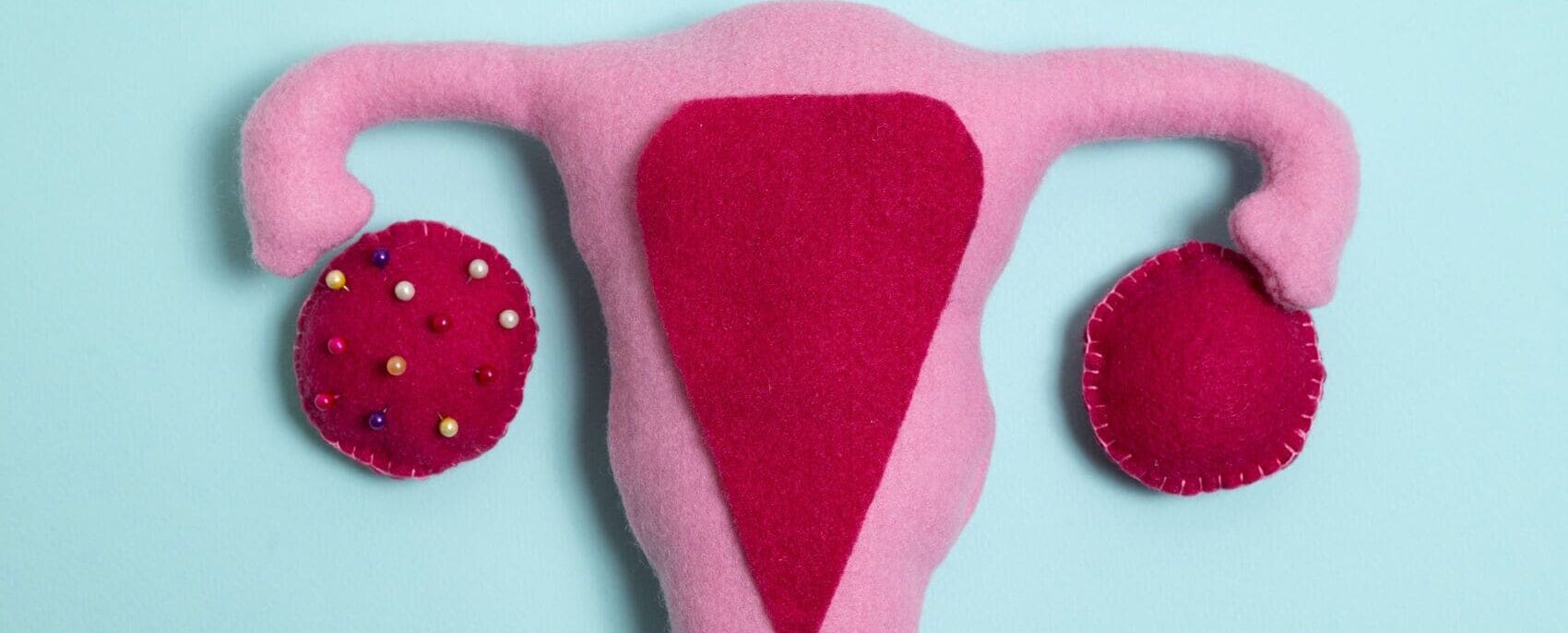

Low Progesterone and Pregnancy: Understanding the Possibilities
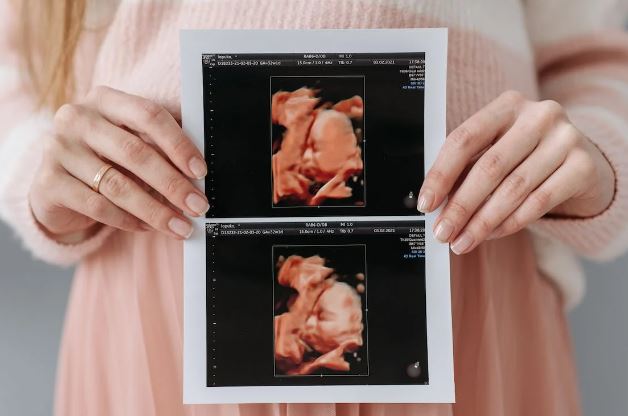
Understanding the fertilization process is essential when you’re trying to conceive. Although fertilization is an amazing phenomenon, it happens microscopically and almost always remains unnoticed. We explain it clearly and in a friendly way.
What is an egg and how does fertilization occur?
The egg, or female gamete, is the cell produced by the ovaries. Each month, one of your ovaries releases an egg during ovulation and it travels through the fallopian tube toward the uterus.
Fertilization occurs when a sperm penetrates the egg. Although millions of sperm make that journey, only one fuses with the egg membrane and forms the zygote.
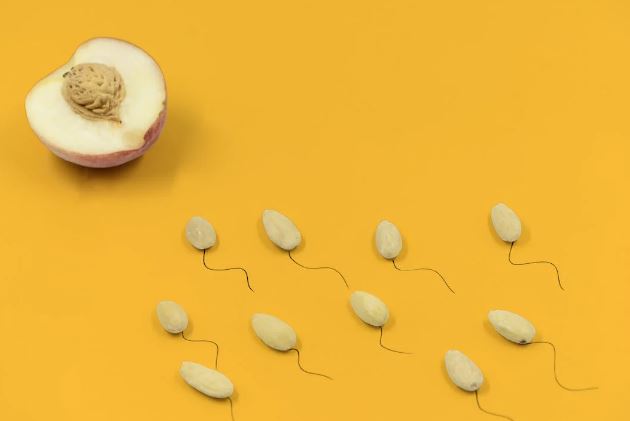
What happens at the moment of fertilization?
When the sperm enters, its genetic material combines with the egg’s DNA and the zygote is formed, with 46 chromosomes (23 from each parent). In the following days, the zygote begins to divide and becomes a blastocyst, which is ready to implant in the uterus after 5–6 days.
Are there symptoms when the egg is fertilized?
Most women don’t feel anything at the exact moment of fertilization: it occurs in the fallopian tube at a cellular level. About 6–10 days later, when the blastocyst attaches to the uterus, you may experience light spotting or mild cramps. Every body is different, and these signs don’t guarantee success 100%.
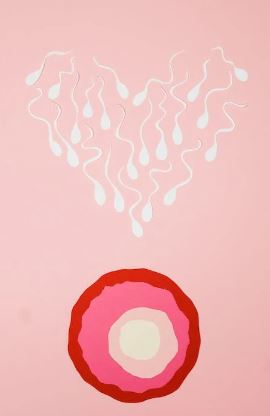
How does the fertilized egg travel and implant?
It takes the zygote 6–10 days to reach the uterus. During this journey it divides and by day five it becomes a blastocyst which, upon finding a prepared endometrium, embeds itself in its lining: implantation.
Factors influencing fertilization success
Egg and sperm quality, timing of intercourse or insemination, health of the tubes and uterus, and age (better quality before 35) play decisive roles. In addition, good nutrition, stress management, and avoiding tobacco improve your chances.
A fertility specialist can guide you every step of the way, and if you need support, our patient care services are here for you.
Frequently Asked Questions
1. Can you feel fertilization when it happens?
No. It’s a cellular process inside the fallopian tube. If you notice discomfort days later, it’s usually due to implantation, not fertilization itself.
2. Ovulation pain vs. implantation cramping?
Mittelschmerz occurs at ovulation (day 14 in a 28-day cycle) and lasts minutes or hours. Implantation cramps appear 6–10 days after fertilization and often come with light spotting.
3. Does implantation bleeding mean pregnancy?
It can be an early indication, but not everyone experiences it. If it appears before your period, very light and brief, it could be implantation. To confirm, take a pregnancy test after your missed period or consult your doctor.
4. When should you see a specialist?
If you’ve been trying to conceive for 6–12 months without success (depending on your age), or have irregular cycles, severe menstrual pain, or a complicated reproductive history, seek professional advice.
We’re with you on this journey. Every body is unique and sometimes we need extra support. Don’t hesitate to consult a reproductive medicine specialist for the guidance and care you deserve.