
High Cortisol and Fertility: Can Stress Prevent Pregnancy?

Puntos Importantes:

Cortisol is known as the stress hormone, but its impact goes far beyond feeling tired, anxious, or emotionally overwhelmed. When cortisol levels remain elevated for long periods of time, they can disrupt the hormonal balance that regulates ovulation, implantation, and several key processes involved in pregnancy.

Yes, high cortisol can affect female fertility by interfering with reproductive hormones. However, it is also important to know that this effect is often reversible, and many women are able to restore hormonal balance through stress reduction and specialized fertility care.

Stress does not always prevent pregnancy immediately, but when it becomes chronic, it can interfere with the communication between the brain and the ovaries, affecting the hormonal release necessary for healthy ovulation. In addition, infertility itself can increase emotional stress, creating a cycle that may feel difficult to break.

The good news is that cortisol related fertility issues are considered one of the most manageable fertility factors when identified early. In this guide, we will explain how cortisol affects female fertility, what signs may indicate a hormonal imbalance, and which strategies may help restore both physical and emotional well being.

What Is Cortisol and Why Does It Affect Fertility?

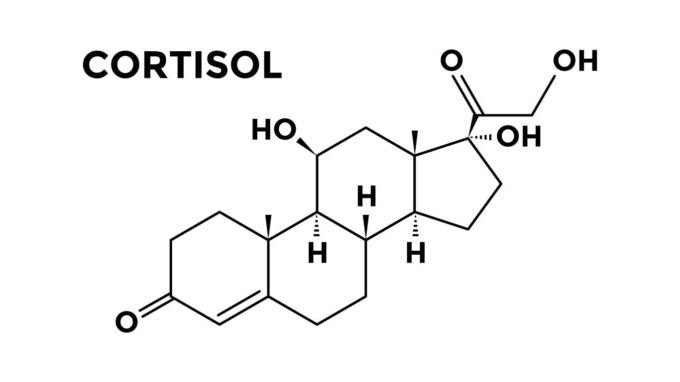
Cortisol is a hormone produced by the adrenal glands in response to physical and emotional stress. Its main role is to help the body react to challenging situations by regulating metabolism, blood pressure, inflammation, and energy levels.

Under normal conditions, cortisol follows a natural daily rhythm. Levels are usually highest in the morning and gradually decrease throughout the day. Typical morning cortisol levels in blood range between 6 and 23 µg/dL. When cortisol remains consistently elevated, especially above 25 µg/dL, it may begin to interfere with several hormone functions linked to fertility.

The problem usually appears when stress stops being temporary and becomes chronic. The body interprets this constant state of alert as a signal that conditions are not ideal for reproduction. As a result, it begins to reduce the production of reproductive hormones.

How Cortisol Disrupts Reproductive Hormones

Fertility depends on precise communication between the brain, the pituitary gland, and the ovaries. This system is known as the hypothalamic pituitary gonadal axis, or HPG axis.

The process works like this:

• The hypothalamus releases GnRH
• The pituitary gland responds by producing FSH and LH
• The ovaries produce estrogen and progesterone
• Ovulation occurs and the endometrium prepares for a possible pregnancy

When cortisol remains elevated for long periods, it begins to suppress the release of GnRH. As a result, FSH and LH levels decrease, affecting follicle development and ovulation.

You can think of cortisol as a biological dimmer switch for reproductive hormones. It does not completely block them, but it reduces their activity and alters hormonal balance.

This may lead to:

• Irregular or absent ovulation
• Longer menstrual cycles
• Reduced progesterone levels
• Lower endometrial receptivity
• Difficulty with embryo implantation

In addition, infertility itself may increase emotional stress. Many women experience months or years of uncertainty, failed treatments, or constant anxiety, which may further elevate cortisol levels and reinforce hormonal imbalance.

Can High Cortisol Prevent Pregnancy?

Yes, elevated cortisol can make pregnancy more difficult, especially when stress becomes persistent and affects ovulation or hormone quality throughout the menstrual cycle.

Several studies have found that women with higher stress and cortisol levels may take longer to conceive compared to women with balanced hormone levels.

Chronic stress has also been associated with:

• Lower ovulation quality
• Implantation difficulties
• Changes in endometrial receptivity
• Reduced success rates during IVF treatment

However, this does not mean that every stressful experience will prevent pregnancy. The human body is designed to tolerate temporary stress. Problems usually arise when stress becomes constant and the body remains in a prolonged state of alert for weeks or months.

Most importantly, the impact of cortisol on fertility is often temporary and manageable with proper support and care.

How Cortisol Affects Each Stage of the Menstrual Cycle

Follicular Phase, Days 1 Through 14

During this stage, FSH stimulates the growth of ovarian follicles.

When cortisol is elevated, FSH production may decrease, making it harder for follicles to develop properly and affecting ovulation timing.

Some women may notice:

• Irregular cycles
• Delayed ovulation
• Changes in cervical mucus
• Significant variations in cycle length

Ovulation

Ovulation occurs because of a surge in LH.

High cortisol levels may interfere with this hormonal peak, delaying ovulation or even causing anovulatory cycles, meaning cycles without ovulation.

In some cases, women feel that “everything seems normal,” but cycle monitoring reveals that ovulation is occurring very late or not happening at all.

Luteal Phase, Days 15 Through 28

After ovulation, the body produces progesterone to prepare the endometrium for implantation.

Chronic stress and elevated cortisol may reduce progesterone levels, affecting endometrial receptivity and making embryo implantation more difficult.

This is why some women may ovulate correctly but still experience difficulty achieving or maintaining pregnancy.

Cortisol and IVF Success Rates

Fertility treatments can also generate high levels of emotional stress. Many patients experience anxiety during specific stages of the process, including:

• Ovarian stimulation
• Hormonal medication injections
• Egg retrieval
• Embryo transfer
• The two week wait before pregnancy testing

Some studies have identified a relationship between elevated cortisol levels and lower IVF success rates, especially when stress is intense and prolonged.

For this reason, many fertility clinics now incorporate emotional support and psychological counseling as part of comprehensive fertility care.

At Ingenes, we understand that emotional well being is also part of the journey toward pregnancy. Our team supports patients with personalized care throughout every stage of treatment, including international patients who may experience additional stress related to travel, logistics, or being away from their support systems.

How to Know if Your Cortisol Levels Are Elevated

Cortisol can be evaluated through several medical tests.

The most common include:

• Blood testing
• Salivary cortisol testing
• 24 hour urine cortisol testing

In many cases, testing is performed in the morning, when cortisol naturally reaches its highest level.

It is also important to consider symptoms such as:

• Insomnia
• Constant fatigue
• Anxiety
• Irritability
• Irregular cycles
• Difficulty getting pregnant
• Persistent exhaustion

A comprehensive fertility evaluation may help determine whether a stress related hormonal imbalance is affecting fertility.

7 Steps to Lower Cortisol and Support Fertility

1. Practice Relaxation Techniques Daily

Meditation, deep breathing exercises, and mindfulness practices may help reduce cortisol levels when practiced consistently.

Even sessions lasting 10 to 20 minutes a day may provide meaningful benefits after several weeks.

2. Prioritize Sleep

Sleeping fewer than seven hours per night may increase cortisol and disrupt hormonal balance.

Try to maintain regular sleep schedules and reduce screen exposure before bedtime.

3. Reduce Excess Caffeine

Excessive coffee or energy drink consumption may stimulate cortisol release.

Many specialists recommend limiting caffeine intake while trying to conceive.

4. Exercise Moderately

Movement helps regulate stress, but excessively intense exercise may further increase cortisol levels.

Walking, swimming, yoga, and gentle workouts are often beneficial during this stage.

5. Keep Blood Sugar Stable

Long periods without eating or sudden blood sugar fluctuations may increase cortisol.

Eating protein, healthy fats, and fiber rich foods may support better hormonal regulation.

6. Consult a Specialist Before Taking Supplements

Certain supplements such as magnesium, omega 3 fatty acids, and some adaptogens have shown potential benefits related to stress management.

However, it is important to speak with a healthcare professional before starting supplements, especially during fertility treatment.

7. Seek Professional Emotional Support

Infertility related anxiety can be intense and completely valid.

Psychological support may help reduce emotional stress, lower mental burden, and improve overall well being during this process.

Many patients experience positive emotional and hormonal changes after several weeks of consistent support.

How Long Does It Take to Lower Cortisol?

In most cases, cortisol levels may begin improving within 8 to 12 weeks after implementing consistent lifestyle and stress management changes.

The timeline may vary depending on factors such as:

• Stress intensity
• Sleep quality
• Nutrition
• Emotional health
• Anxiety or chronic burnout

Consistency is usually more important than extreme lifestyle changes.

When to Seek Specialized Help

It is important to consult a fertility specialist if:

• You have been trying to conceive for more than 12 months
• You are over age 35 and have been trying for more than 6 months
• Your menstrual cycles are irregular
• You suspect you are not ovulating
• You experience severe anxiety or emotional exhaustion
• Stress is affecting your quality of life

In some cases, elevated cortisol may be part of a more complex hormonal imbalance that requires medical evaluation.

Frequently Asked Questions About Cortisol and Fertility

Does stress always cause infertility?

No. Occasional stress does not usually prevent pregnancy. Problems typically appear when stress becomes chronic and disrupts hormonal balance for extended periods.

Can cortisol affect implantation?

Yes. Elevated cortisol may reduce progesterone levels and affect endometrial receptivity, making embryo implantation more difficult.

Does IVF increase stress?

Yes, many patients experience high levels of anxiety during fertility treatment. This is why emotional support has become an increasingly important part of fertility care.

Is cortisol the only stress hormone related to fertility?

No. Other hormones and neurotransmitters also participate in the stress response, but cortisol remains one of the most studied hormones because of its relationship with fertility.

Restoring Hormonal Balance Is Also Part of the Journey

Stress and elevated cortisol levels can influence female fertility, but that does not mean you have lost the possibility of becoming pregnant.

The body constantly responds to both physical and emotional experiences. With proper care, sustainable lifestyle changes, and specialized support, many women are able to restore hormonal balance and continue moving forward on their path toward pregnancy.

At Ingenes, we can help identify the hormonal and emotional factors that may be affecting your fertility through personalized evaluations and treatment options tailored to your needs.

Discover the best treatment for you at Ingenes

Our mission is to help you make an informed decision about your reproductive health, we’ll create a fully personalized treatment for you, and make your dream come true.

Need assistance?
Chat with us 💬