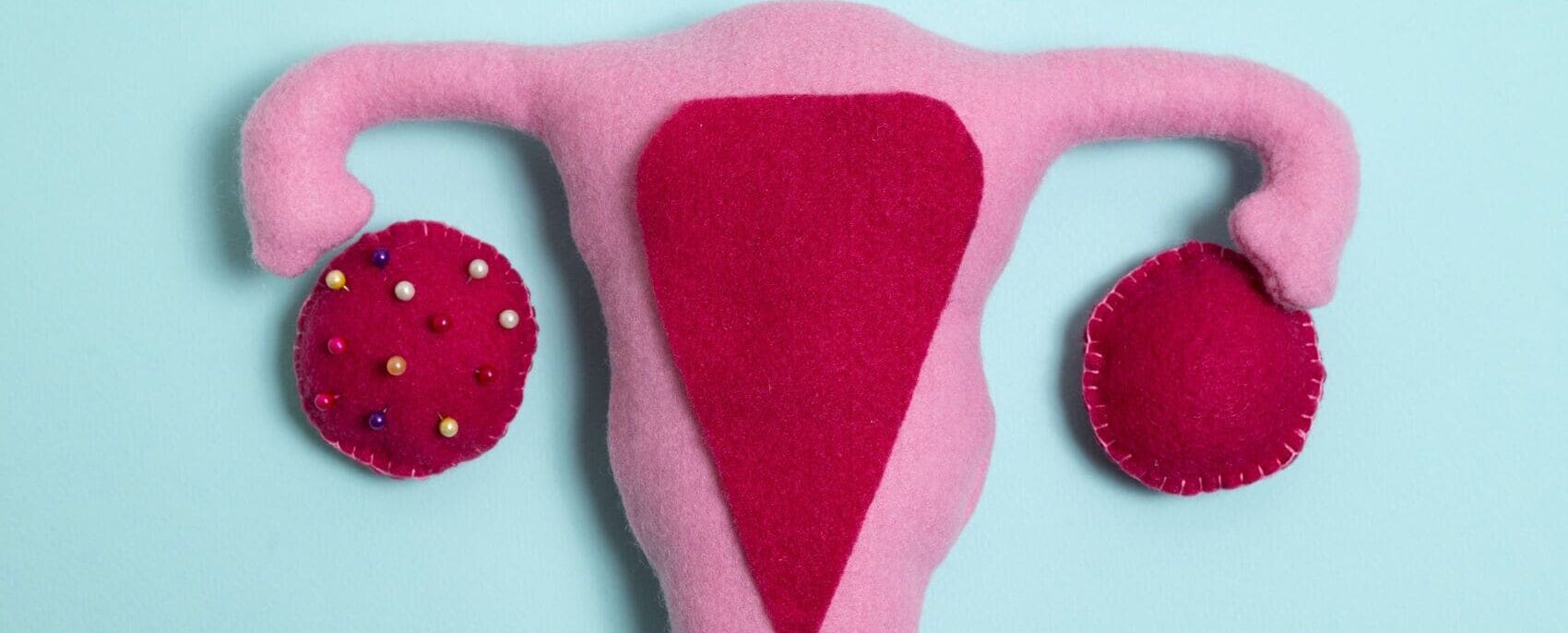

Fertility problems? You’re not alone
What is the reality of fertility today?
Although we don’t talk about it every day, facing difficulties conceiving is more common than you think: 1 in 6 couples experiences it. The good news is that science and medicine have advanced greatly and offer real solutions to fertility challenges.

Why do fertility problems arise?
Reproductive challenges can stem from different factors: ovulatory, tubal-peritoneal, uterine, or male (for example, low sperm quality or quantity). Lifestyle habits such as smoking, stress, a very high BMI (>30 kg/m²) or very low (<18.5 kg/m²), and exposure to pollutants also play a role.
Do not self-medicate. Before taking any treatment, consult a specialist in Assisted Reproduction to truly increase your chances of success.
What makes Ingenes different?
We have the backing of CONACYT, the Fertility Center of Illinois, and Cinvestav. With a 92% success rate, Ingenes leads in Latin America and exceeds averages of clinics in the United States.
Our team combines cutting-edge technology with a close, personalized approach. Every story is unique, which is why we design protocols tailored to your physical and emotional needs.
What is your journey to parenthood with us like?
If you and your partner are facing barriers to conceiving, the Ingenes community supports you from the first diagnosis to that unforgettable moment of meeting your baby. We offer ovarian stimulation, ICSI, gamete donation, and preimplantation genetic diagnosis.
“Having an infertility problem can be tough, but it does have a solution,” and we want you to see how thousands of families have made their dream come true.
Ready to start? Click here and discover how Ingenes turns dreams into reality.
Key technologies and protocols
- Gentle ovarian stimulation (5–10 IU of FSH)
- ICSI: microinjection of one sperm into each egg
- PGD: genetic selection of embryos
- Cryopreservation of embryos and oocytes
Frequently Asked Questions
How Long Should You Try Before Seeking Help?
If after 12 months of regular unprotected intercourse pregnancy does not occur, it’s time to consult a specialist. For women over 35, it is recommended to seek help after 6 months.
An early diagnosis improves the odds, reduces costs and stress. Avoid home remedies and trust a multidisciplinary team.
What Tests Do I Need?
For her: hormonal profile (FSH, LH, estradiol), ovarian reserve (AMH, AFC), and tubal patency (hysterosalpingography). For him: complete semen analysis and sperm DNA fragmentation.
At Ingenes we add transvaginal ultrasounds and genetic tests that optimize your protocol. We always design a plan tailored to you.
Does Age Matter?
Yes. After age 35, ovarian reserve decreases and the risk of chromosomal abnormalities increases. With egg vitrification or oocyte donation, we expand your options.
A timely and specialized approach makes a difference. Talk to your doctor to evaluate your case and decide the best path.
Does Ovarian Stimulation Hurt?
Most patients feel mild discomfort, such as pressure or abdominal bloating. We use thin needles and offer support to minimize any discomfort.
Pain is managed with mild analgesics and the constant support of our team, guiding you through each step and ultrasound.
Sources Consulted
- American Society for Reproductive Medicine. (2022). Diagnostic evaluation of the infertile female. Fertility and Sterility. https://doi.org/10.1016/j.fertnstert.2021.09.011
- MedlinePlus. (2023). Infertility. https://medlineplus.gov/infertility.html
- NICE. (2021). Fertility problems: assessment and treatment. https://www.nice.org.uk/guidance/ng126
- ASRM Practice Committee. (2021). Testing and interpreting ovarian reserve. Fertility and Sterility. https://doi.org/10.1016/j.fertnstert.2020.09.150
Remember: every story is unique. If you have questions or want support, consult a fertilization specialist. We’re here to support you on your journey to the joy of becoming a mom or dad.