
Erectile dysfunction and fertility

What is an ectopic pregnancy and why does it happen?
An ectopic pregnancy occurs when the embryo implants outside the uterus, almost always in the fallopian tubes, although it can also happen in the ovaries or the cervix. This occurs when something prevents the fertilized egg from reaching the uterus to grow as it should.
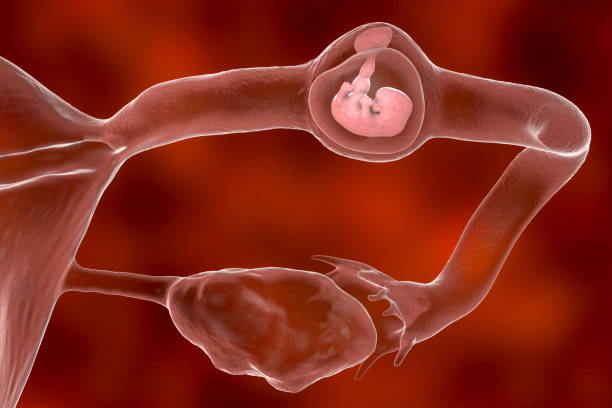
Illustration of an ectopic pregnancy
After experiencing an ectopic pregnancy, the most common question is: Can I get pregnant again? The good news is yes: around 40% of women achieve a subsequent pregnancy if the causes are properly identified and treated and with the guidance of an Assisted Reproduction specialist.
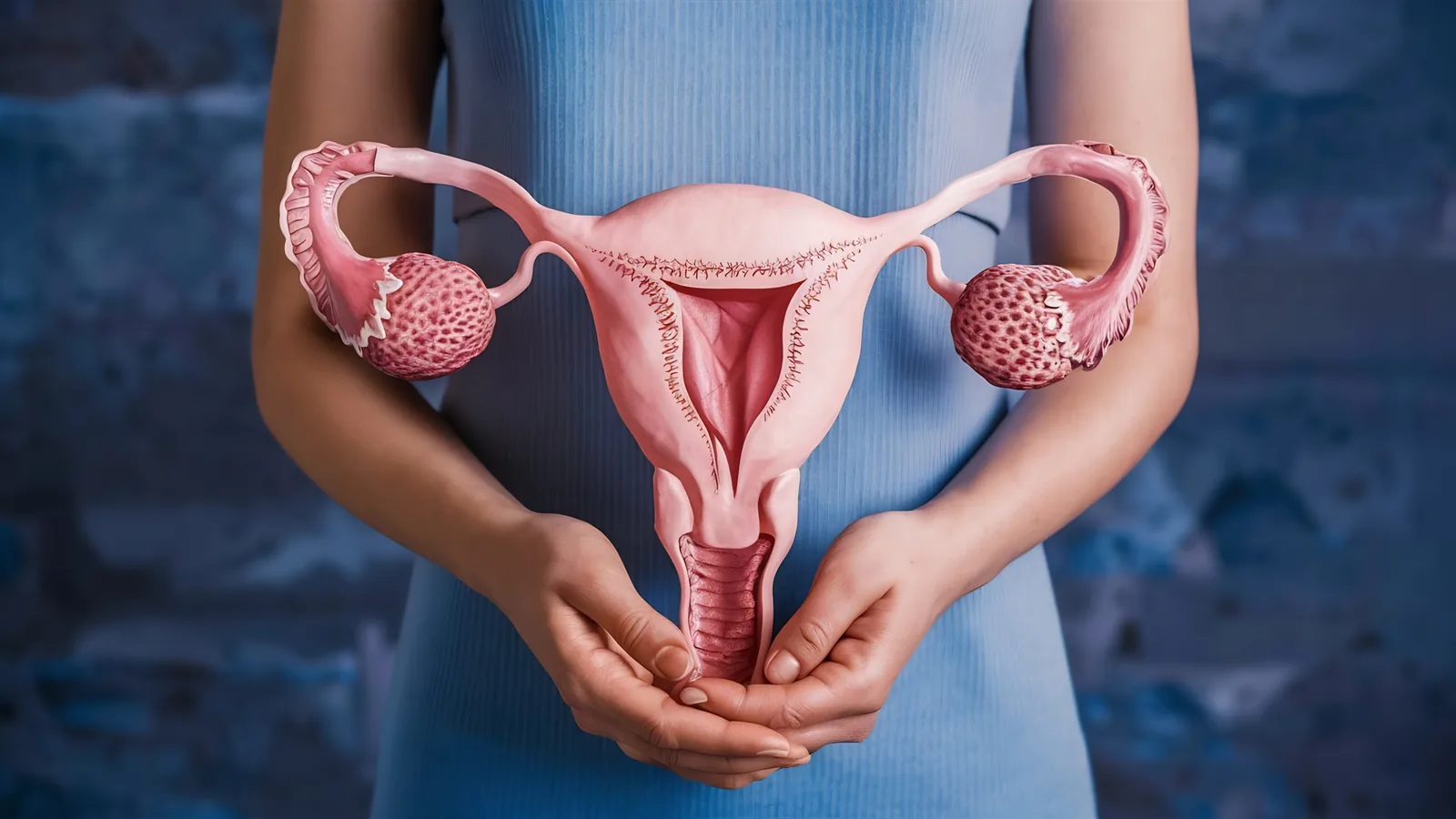
How does a normal pregnancy occur, and what goes wrong in an ectopic?
In a typical pregnancy:
- Ovaries: release a mature egg.
- Fallopian tubes: where the egg meets the sperm and fertilization occurs.
- Uterus: the ideal place for the embryo to implant and grow.
If the tubes have adhesions, scars from infections (like chlamydia or gonorrhea), or prior surgery (for example, tubal ligation), the embryo cannot reach the uterus and implants elsewhere, causing an ectopic pregnancy.
What are the symptoms of an ectopic pregnancy?
From the start you may notice:
- Severe, constant pain in the lower abdomen, usually on one side.
- Light vaginal bleeding or brown spotting for several days.
- Nausea and dizziness, very similar to morning sickness.
If the tube ruptures, you may experience:
- Intense, widespread abdominal pain.
- Rapid and weak pulse, cold and sweaty skin.
- Difficulty breathing or feeling faint.
If you experience any of these symptoms, do not self-medicate and seek emergency medical attention.
Who is at higher risk for an ectopic pregnancy?
Common risk factors include:
- History of infections (chlamydia, gonorrhea).
- Endometriosis or pelvic adhesions.
- Tubal surgeries, including ligation or having only one tube.
- Smoking.
- Age 35 to 44 years.
- Congenital abnormalities in the fallopian tubes.
How can I have a baby after an ectopic pregnancy?
In vitro fertilization (IVF) is the safest route after an ectopic pregnancy because the egg and sperm unite in the laboratory, bypassing the tubes. The process includes:
- Ovarian stimulation with medication to obtain multiple eggs.
- Selection of the healthiest eggs and sperm.
- In vitro fertilization and embryo culture.
- Transfer of the highest-quality embryos to the uterus.
- Monitoring of hCG levels and embryonic development.
Before making any decisions, consult an Assisted Reproduction specialist. They can design a tailored plan and increase your chances.
At Ingenes we have an expert team in IVF and ectopic pregnancies to support you every step of the way.
Frequently Asked Questions
1. Does the Risk of Another Ectopic Pregnancy Increase If I’ve Had One?
The recurrence risk is 10–20%, depending on the health and function of your tubes. That’s why, before trying again, it’s advisable to perform an ultrasound and HSG to assess the tubes. If they’re damaged, IVF is the best option.
2. Can I Get Pregnant with Only One Tube?
Yes. You retain a 50% chance of natural pregnancy thanks to the remaining ovary and tube. To improve success, IVF bypasses the tubes entirely.
3. Does IVF Hurt and What Are Its Risks?
Egg retrieval is done under sedation, so there is no pain. Afterwards, you may experience mild discomfort and abdominal bloating. Risks are low: ovarian hyperstimulation (<1%), mild bleeding, or rare infection. Your team will closely monitor everything.
4. How Long Should I Wait After an Ectopic Pregnancy Before Trying Again?
It is recommended to wait 3–6 months after treatment or surgery to recover physically and emotionally. During this time, your tubal and hormonal function are evaluated. Consult your specialist to decide the best timing.
Sources Consulted
- American College of Obstetricians and Gynecologists. (2018). Ectopic Pregnancy. Obstetrics & Gynecology, 131(3), e91–e103. doi:10.1097/AOG.0000000000002482
- MedlinePlus. (2023). Ectopic pregnancy. Retrieved from https://medlineplus.gov/ectopicpregnancy.html
- Practice Bulletin No. 193: Tubal Ectopic Pregnancy. (2018). Obstetrics & Gynecology, 131(3), e91–e103. doi:10.1097/AOG.0000000000002482
- World Health Organization. (2021). WHO recommendations on research priorities in ectopic pregnancy. Retrieved from https://www.who.int/publications
Remember that each case is unique. If you or your partner are facing an ectopic pregnancy or planning a new pregnancy, seek the support of an assisted fertilization specialist. You are not alone on this journey: we are here to help.