
Am I a candidate for low-complexity treatment?

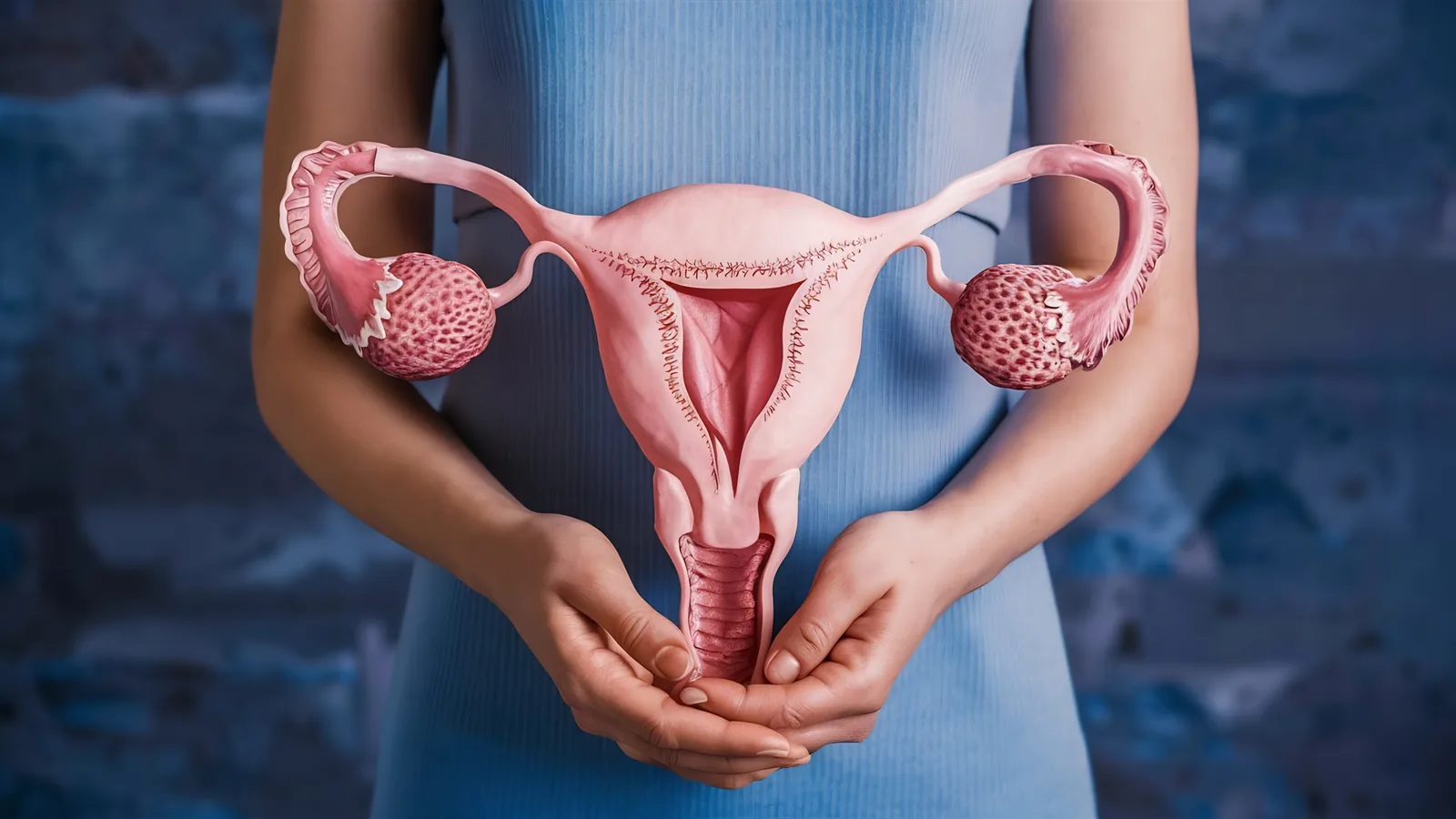
On September 4 we celebrate World Sexual Health Day, promoted by the World Association for Sexual Health. It’s a time to talk about sexuality without taboos, with clear information and recognizing that it’s an essential part of our health and well-being.
At Ingenes Fertility Institute in Mexico, this date reminds us that sexual health includes fertility, reproductive rights, and informed decisions. Every story deserves judgment-free support.
What is sexual health and why does it matter?
According to the WHO, sexual health is a state of physical, emotional, mental, and social well-being in relation to sexuality, not merely the absence of disease. It involves being able to enjoy safe and pleasurable experiences free from coercion and discrimination.
Talking about sexual health goes beyond intimate relationships. It includes:
- Knowing your own body.
- Making informed reproductive decisions.
- Access to quality medical care.
- Respect for sexual and gender diversity.
- Prevention and treatment of STIs.
- Family planning and fertility.
This comprehensive approach links sexual and reproductive health as two sides of the same coin.
How is fertility related to sexual well-being?
In many cultures we only talk about avoiding unwanted pregnancies or STIs. But when you face difficulties conceiving, fertility becomes a crucial part of your sexual health.
At Ingenes we have spent over 20 years supporting thousands of women, men, and couples who didn’t know they could seek specialized help or felt it was a taboo topic. Celebrating World Fertility Day shows that questions like “Why can’t I get pregnant?” are valid and necessary.
What medical factors affect fertility?
Some conditions can make conception difficult without showing clear symptoms:
- Hormonal imbalances
- Low ovarian reserve
- Endometriosis
- Polycystic ovary syndrome (PCOS, now PMOS)
- Blocked fallopian tubes
- Male factor (low sperm concentration or motility)
- Reproductive immunology
- Genetic factors
Many variations are confused with normal cycles, so a comprehensive evaluation including gynecology, endocrinology, and reproductive immunology is essential.
How does emotional health support fertility?
Failed attempts can cause stress, anxiety, and relationship tensions. Emotional well-being is as fundamental as medical treatment.
At Ingenes we include psychological support from the start. Our specialists help you manage emotions, strengthen resilience, and maintain hope.
Lifestyle habits that protect your fertility
Some recommendations:
- Under 35: evaluation after 12 months of trying. Over 35: after 6 months.
- If you plan to delay pregnancy, consider an ovarian reserve study.
- Manage chronic conditions (diabetes, hypertension, thyroid).
- Do not self-medicate without consulting a doctor.
- Maintain a balanced diet, exercise regularly, and manage stress.
Information and professional guidance strengthen your sexual and reproductive health.
Who can access assisted reproduction?
We serve diverse families: single women, same-sex couples, trans people, and anyone who wants to become a mom or dad. We offer egg, sperm, or embryo donation and the ROPA method for shared motherhood.
We also celebrate International Men’s Health Week, because male fertility is part of this inclusive vision.
Immediate steps to care for your fertility
- Schedule your annual gynecological exam.
- Talk with your partner about family planning.
- If you’ve had difficulties, get a fertility evaluation.
- Share scientific and empathetic information with your circle.
- Don’t ignore severe menstrual pain, irregular bleeding, or hormonal changes.
- Seek psychological support if emotions overwhelm you.
- Before using any medication, consult a specialist in assisted reproduction.
Full sexuality includes your right to become a mom or dad
At Ingenes we believe sexual health encompasses the desire to have a child if you choose. We combine science, empathy, and real results to make your family dream possible.
Talking about sexuality is also talking about hope, family, and the future.
Frequently Asked Questions
1. What should I do if I’ve been trying to conceive for a while?
Keep a record of your cycles and ovulation signs for at least three months. Under 35, seek help after one year of trying; over 35, after six months. The evaluation includes hormone levels (FSH, AMH in ng/mL) and an ovarian reserve ultrasound. A reproductive endocrinologist will interpret results and suggest lifestyle adjustments, treatments, or assisted techniques.
2. How does stress affect fertility?
Chronic stress alters key hormones like cortisol, estrogen, and progesterone, making ovulation and sperm quality more difficult. It can reduce sexual desire and create relationship tensions.
At Ingenes we use cognitive-behavioral therapy, mindfulness, and stress management so you can face this process better and strengthen your support network.
3. Can I preserve my fertility if I’m not ready for pregnancy?
Yes. Egg vitrification is ideal for postponing motherhood. After controlled ovarian stimulation guided by ultrasound and tests, eggs are retrieved under sedation and stored at –196 °C in liquid nitrogen. It’s best done before age 35.
4. What role does male fertility play and how is it evaluated?
The male factor accounts for up to 50 % of infertility cases. A semen analysis measures volume (mL), concentration (million/mL), motility (%), and morphology (% normal). Hormones (testosterone, FSH) are also evaluated and, if needed, genetic studies.
Improving male fertility includes a balanced diet, exercise, avoiding tobacco, excessive alcohol, and localized heat. If abnormalities are found, the specialist may recommend medical treatments, varicocele surgery, or ICSI.
References
- World Health Organization. (2015). WHO guidelines on prevention and treatment of maternal peripartum infections. https://doi.org/10.1017/9781108166592
- American Society for Reproductive Medicine. (2020). Definitions of infertility and recurrent pregnancy loss. Fertility and Sterility, 113(6), 1252–1253. https://doi.org/10.1016/j.fertnstert.2020.03.021
- MedlinePlus. (2023). Infertility. U.S. National Library of Medicine. https://medlineplus.gov/infertility.html
- Practice Committee of the American Society for Reproductive Medicine. (2018). Emotional aspects of infertility. Fertility and Sterility, 110(4), 611–619. https://doi.org/10.1016/j.fertnstert.2018.06.007
We know this journey can be challenging. If you have questions or need guidance, consult a specialist in assisted reproduction. We’re with you every step of the way.