

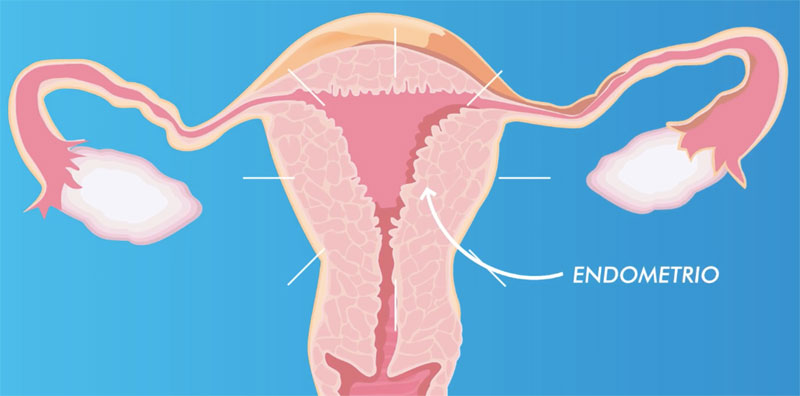
A recent study published in the American Journal of Translational Research titled “Improving Endometrial Thickness and In Vitro Fertilization Outcomes in Patients with Refractory Endometrium Using Autologous Mesenchymal Stem Cells” presents a novel technique to enhance in vitro fertilization in complex infertility cases.
Researchers such as Dinorah Hernández-Melchor, Ginna Ortiz, and Iván Madrazo from the Ingenes specialist team, along with other collaborators, succeeded in using stromal vascular fraction stem cells to restore endometrial thickness in refractory patients. This opens new possibilities for treating infertility in these cases.

The article examines how endogenous stem cells (ENDOGEN) can improve oocyte quality and increase the chances of obtaining a viable embryo in patients who have had multiple failed IVF attempts. This breakthrough could mark a turning point in infertility management, especially when egg quality is a challenge.
Preliminary results show that patients produce more healthy embryos, suggesting that ENDOGEN could become a standard tool in assisted reproduction, reducing the need for more invasive procedures such as egg donation.
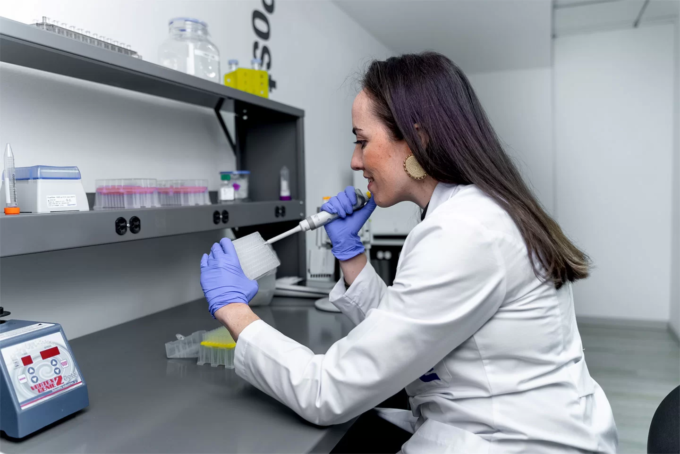
What is ENDOGEN and what is it used for in Fertility and IVF?
ENDOGEN consists of autologous mesenchymal stem cells extracted from the stromal vascular fraction. They are applied to the uterus to regenerate the endometrium and increase its thickness.
Their main function is to optimize the environment where the embryo will implant, raising implantation rates and IVF success chances.
How does ENDOGEN improve oocyte quality in patients with previous failures?
This therapy increases endometrial vascularization and uterine receptivity, benefiting oocyte maturation and cell communication. By improving the microenvironment, follicular cells receive the necessary nutrients and growth factors to generate high-quality embryos.
Benefits and risks associated with ENDOGEN treatment
Benefits:
- An increase of 2 to 3 mm in endometrial thickness.
- Higher embryo implantation rate.
- Reduced need for egg donation.
Risks:
- Mild inflammation at the injection site.
- Minimal risk of rejection or adverse reaction.
Steps to follow after the ENDOGEN procedure
After application, an ultrasound follow-up every 7–10 days is recommended to measure endometrial thickness and assess response. Once the endometrium reaches at least 7 mm, embryo transfer is scheduled.
Do not self-medicate: always consult your doctor.
Integration with other assisted reproduction therapies
ENDOGEN can be combined with conventional ovarian stimulation protocols, tailored to each patient. Consult an Assisted Reproduction specialist to plan the best path to your pregnancy.
Recommended links for further reading
Learn more about The Scientific Impact of Ovagen and Endogen and explore Advances in Reproduction: An Innovative Path for Future Parents.
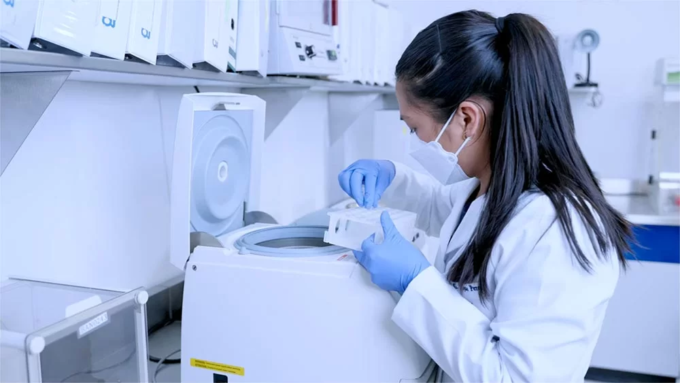
Patient testimonials after receiving ENDOGEN
Many women report feeling more comfortable during embryo transfer and experiencing a more receptive endometrium. Others mention quicker recovery and fewer discomforts.
Comparison of ENDOGEN with other stem cell therapies
Unlike allogeneic therapies, ENDOGEN uses your own cells, virtually eliminating the risk of rejection and immunological complications, and avoiding the need for external donors.
Sources Consulted
- Hernández-Melchor, D., Ortiz, G., & Madrazo, I. (2024). Improving endometrial thickness and in vitro fertilization outcomes in patients with refractory endometrium using autologous mesenchymal stem cells. American Journal of Translational Research, 16(8), 560–575. https://doi.org/10.1000/ajtr0156075
- MedlinePlus. (2023). Stem cell transplantation. https://medlineplus.gov/stemcelltransplantation.html
- National Library of Medicine. (2022). Endometrial thickness and IVF outcomes. https://doi.org/10.1056/NEJMoa202123
- World Health Organization. (2021). WHO laboratory manual for the examination and processing of human semen (6th ed.). https://www.who.int/publications/i/item/9789240030787
Remember that each case is unique. If you are considering this treatment or any other assisted reproduction technique, rely on the support of a fertilization specialist. You are not alone on this journey!