
Recognizing Endometriosis to Protect Your Fertility
For couples dreaming of becoming parents, understanding the causes of infertility is a key step. An accurate diagnosis makes it possible for almost 98% of those dreams to come true. Endometriosis, if not detected in time, can place obstacles on your path to motherhood.

What is endometriosis and how does it impact your fertility?
Endometriosis occurs when tissue similar to the uterine lining grows outside the uterus. In addition to causing intense cramps and ongoing discomfort, it can lower your chances of becoming pregnant. Pelvic adhesions that form can block or damage the fallopian tubes and reduce your ovarian reserve, affecting the regular release of eggs.
If you want to dive deeper into how this condition influences your fertility, read our simple guide to endometriosis and fertility.

What are the early symptoms of endometriosis you should recognize?
Detecting its signs early improves your reproductive prognosis. Although they vary, pay attention to:
- Menstrual pain so intense that it interferes with your daily activities.
- Changes in bowel movements (diarrhea or constipation) during your period.
- Discomfort or pain when urinating on your period days.
Do not self-medicate: before taking any medication, consult a reproductive specialist if you want to increase your chances of pregnancy.
How is endometriosis accurately diagnosed?
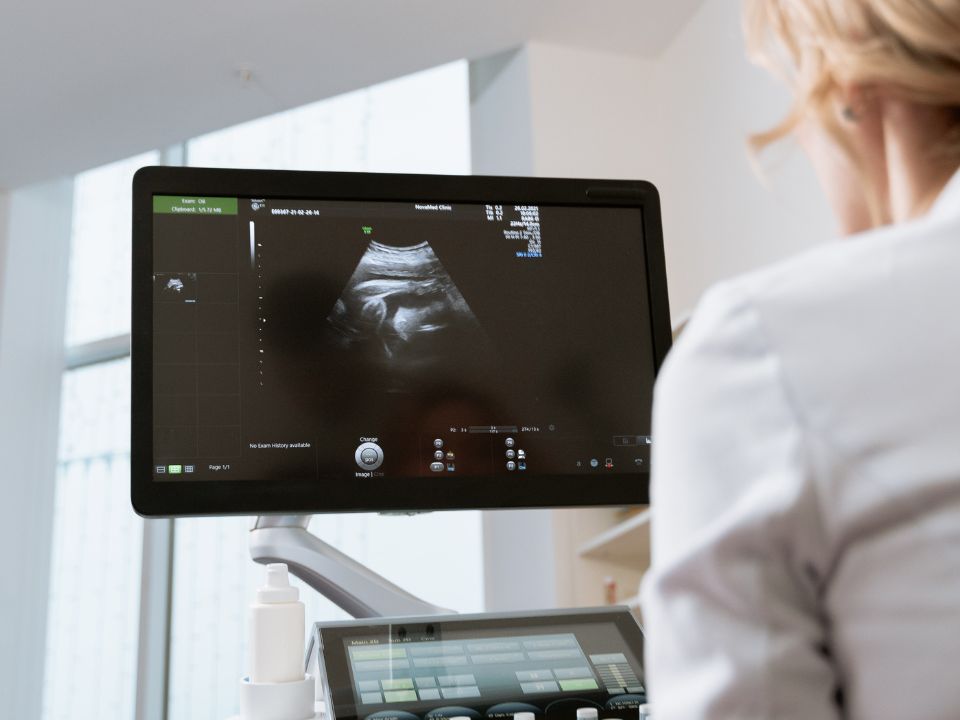
The diagnosis combines a clinical exam, transvaginal ultrasound and, in some cases, laparoscopy. A specialized team will evaluate your history, pelvic pain and imaging findings.
In this guide on endometriosis and fertility you will find more details on diagnostic techniques and next steps.
What treatments exist to improve your quality of life and fertility?
Depending on severity, your doctor might recommend:
- Hormonal therapy (oral contraceptives, progestins): reduces the growth of ectopic tissue.
- Laparoscopic surgery: removal of implants and adhesions.
- Assisted reproduction (IVF): if fertility is compromised, in vitro fertilization may be the most effective option.
Remember that each body responds differently. A multidisciplinary approach ensures a personalized plan.
Frequently Asked Questions
1. Does endometriosis always cause infertility?
Not all women with endometriosis have trouble conceiving, but between 30% and 50% face reproductive challenges. The degree of impact depends on the extent of adhesions and your ovarian health.
An early diagnosis and an appropriate treatment plan can greatly improve your chances of pregnancy. Trust assisted reproduction specialists to maximize your results.
2. Can I treat endometriosis if I want to get pregnant?
Yes. Management includes minimally invasive surgical interventions and hormonal therapies that control pain and slow disease progression. After surgery, it’s recommended to plan for pregnancy quickly to take advantage of the optimal fertility window.
If you have low ovarian reserve or tubal damage, in vitro fertilization (IVF) is a safe and effective alternative.
3. How long does it take for pain to improve after treatment?
It depends on the treatment: some hormonal therapies reduce pain in 1–2 months, while relief after surgery can be noticed between 3–6 months. Ongoing follow-up helps adjust the therapeutic strategy.
Combining pelvic physiotherapy and nutritional counseling also contributes to better pain management and improved quality of life.
4. What role does diet play in endometriosis?
An anti-inflammatory diet—rich in omega-3 fatty acids, fruits, vegetables and fiber—can reduce pelvic inflammation and modulate pain. Avoid ultra-processed foods, excessive caffeine and saturated fats.
Supplements such as vitamin D and probiotics have shown benefits. Consult your specialist to design a personalized nutritional plan.
Sources
- Endometriosis. (2022). MedlinePlus. https://medlineplus.gov/ency/article/000915.htm
- Macer, M., & Taylor, H. S. (2012). Endometriosis and infertility: a review of pathogenesis and treatment. Obstetrics and Gynecology Clinics of North America, 39(4), 535–549. https://doi.org/10.1016/j.ogc.2012.08.009
- Giudice, L. C. (2010). Clinical practice. Endometriosis. New England Journal of Medicine, 362(25), 2389–2398. https://doi.org/10.1056/NEJMcp1000274
- Vercellini, P., Viganò, P., Somigliana, E., & Fedele, L. (2014). Endometriosis: pathogenesis and treatment. Nature Reviews Endocrinology, 10(5), 261–275. https://doi.org/10.1038/nrendo.2014.25
We know this journey can be challenging. You are not alone: seek support from an assisted reproduction specialist to answer your questions and guide you step by step toward your dream of becoming parents.